In 2026, a single misstep in invoice handling could let ransomware cripple your Singapore business through the supply chain. Attackers are no longer just targeting big corporations; they’re exploiting everyday processes that SMEs rely on, making manual workflows a critical vulnerability in today’s threat landscape.
The Escalating Threat in APAC Supply Chains
Ransomware attacks on supply chains have surged across the Asia-Pacific region, with 2026 seeing a notable increase in sophistication and frequency. Cybercriminals target interconnected business ecosystems, knowing that a breach in one link can cascade through partners and vendors. For Singapore SMEs, this means that operational efficiency and data security are at constant risk, especially when processes lack robust safeguards.
Why Manual Invoice Handling Opens the Door
Many businesses still manage invoices through manual methods—forwarding email attachments, downloading PDFs, and updating spreadsheets. Each of these steps introduces potential entry points for malware. Imagine a team that processes dozens of invoices daily via email; one malicious attachment disguised as a vendor document could infiltrate the entire network. Attackers exploit this human-dependent system, knowing it often bypasses stringent cybersecurity protocols and increases exposure to phishing and automated threats.
Automating Invoice Processing as a Defense Strategy
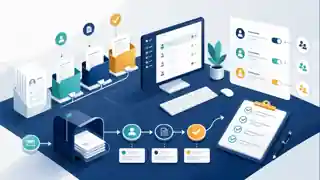
Automation transforms invoice handling from a high-risk activity into a secure, streamlined process. An automated solution can directly receive invoices from email, use AI to extract key data accurately, and seamlessly integrate it into accounting software. This minimizes human interaction, reducing the chance of accidental malware execution and ensuring consistent compliance with standards like PDPA. For businesses seeking to mitigate these risks, exploring tools such as the Invoice Processing Bot can provide a practical step toward enhancing security and efficiency.
Building Resilience for Your Business
To protect against supply chain ransomware, Singapore SMEs must adopt proactive measures that address vulnerabilities in routine operations. By shifting from manual to automated invoice processing, you not only safeguard sensitive data but also improve accuracy and save time. This approach aligns with broader cybersecurity frameworks that emphasize reducing attack surfaces through technology adoption.
Don’t let outdated processes become your weakest link in 2026. Assess your invoice handling workflows and consider automation to fortify your defenses against evolving cyber threats. For tailored guidance on integrating secure, automated solutions into your business, reach out to Sakal Network today.